

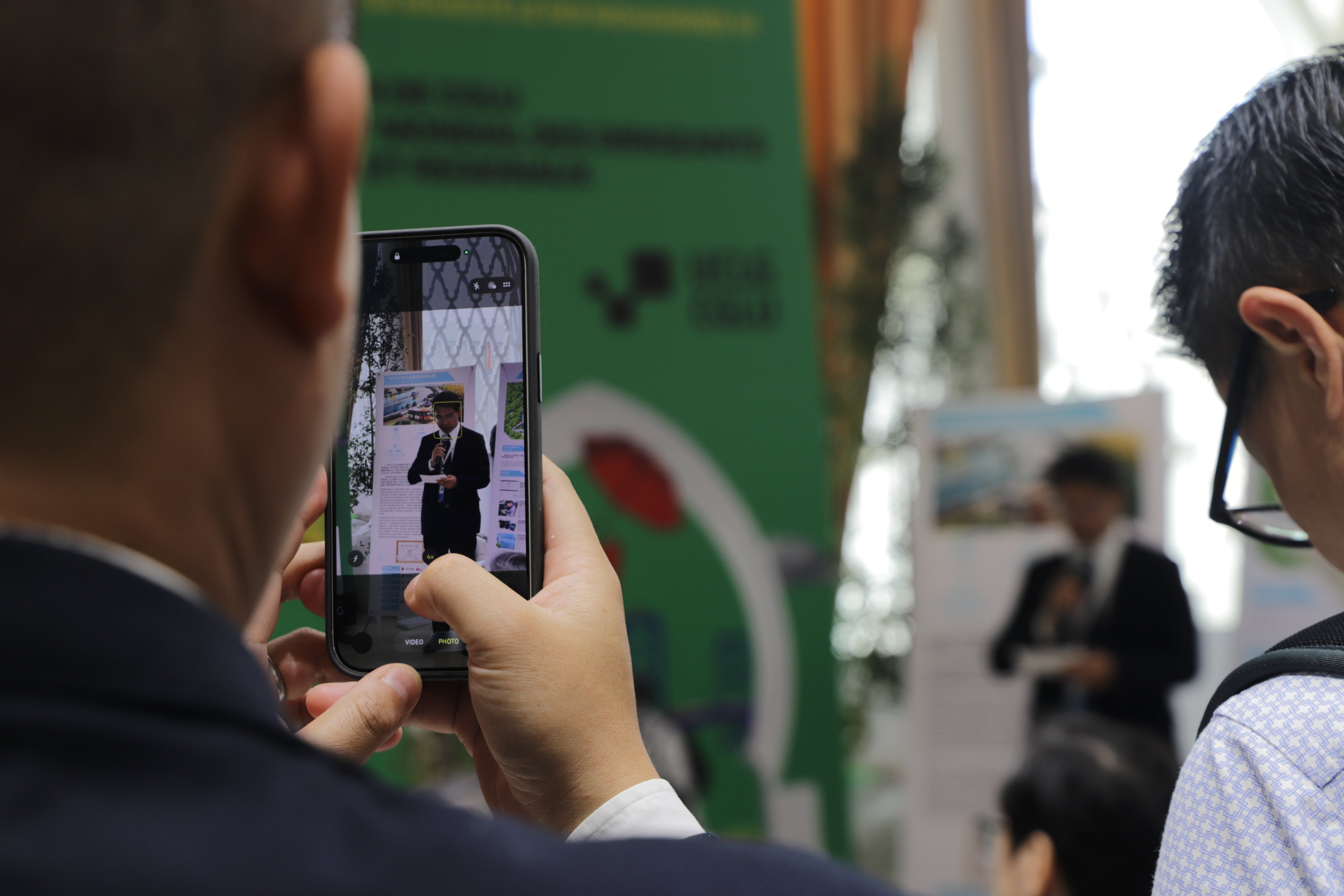
GUANGZHOU’S ELECTRIFIED TRANSPORTATION SYSTEM: DELIVERING GREEN MOBILITY
Guangzhou presented its large-scale transition to electric urban transport, covering buses, taxis, freight and autonomous mobility. The system now includes around 12,000 electric buses and 10,000 electric taxis, supported by more than 400 charging stations and nearly 8,000 charging points. Over eight years, the project has reduced carbon emissions by nearly one million tonnes and lowered PM2.5 concentrations by 40 per cent.
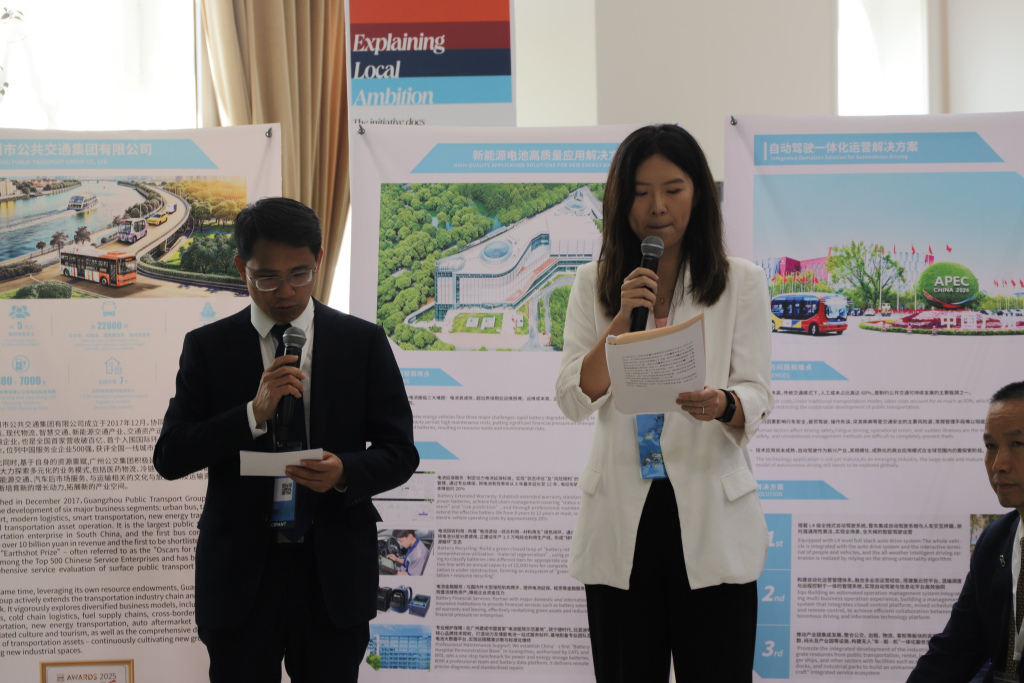
Recognised with the 2026 UITP Award and selected as one of the first demonstration cases of Cities Countdown to 2030, the initiative illustrates how cities can accelerate the transition towards greener, more resilient mobility systems.
More information: https://www.uitp.org/es/award-projects/guangzhoupublic-transport-electrification-project/
https://uclg.org/wp-content/uploads/2026/06/Missions_Guangzhou.pdf
THE PUBLIC SECTOR CAPABILITIES INDEX
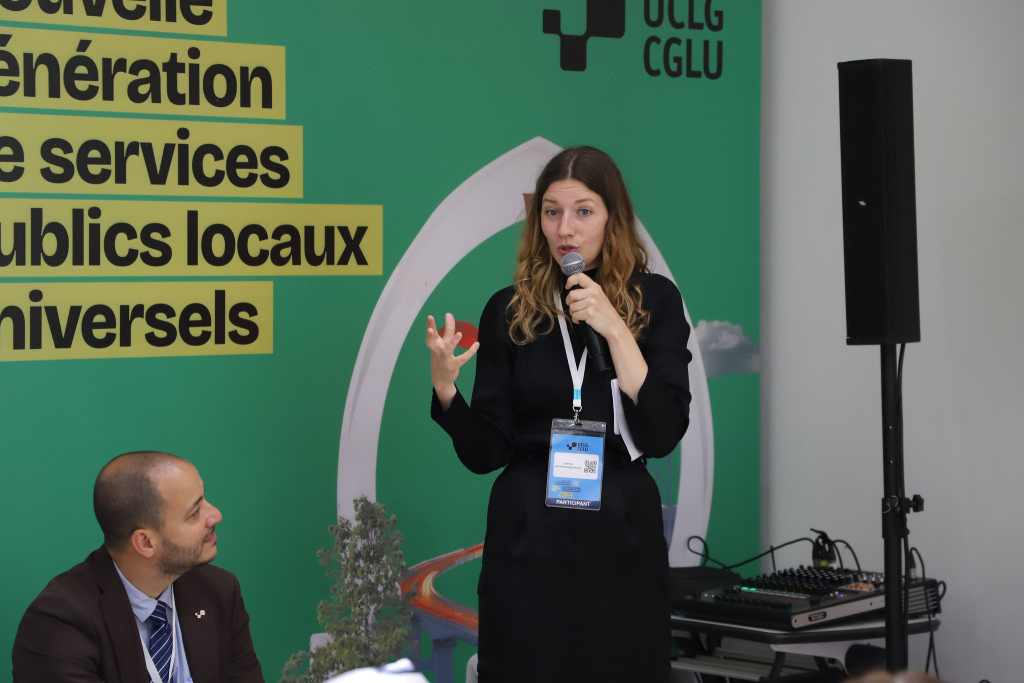
The Public Sector Capabilities Index (PSCI), developed by the UCL Institute for Innovation and Public Purpose and Bloomberg Philanthropies, is a global tool to help city governments understand how prepared they are to deliver mission-oriented transformation. Instead of measuring only resources, the Index looks at how cities use their capabilities to plan, coordinate, learn, experiment, engage residents and improve outcomes.
It is designed for municipal officials, development banks, national governments and partners interested in strengthening public-sector capacity. Also linked to the Cities Countdown to 2030 Missions framework, the PSCI aims to help municipalities identify strengths, address institutional gaps and improve their capacity to deliver longterm public value for residents.
More information: https://iipp-publicsectorcapabilitiesindex.org/
MITI LEARNING: CITY-TO-CITY URBAN DIPLOMACY
Led by the Metropolis International Training Institute in Seoul, MITI is a practical learning platform for metropolitan governments. Through online courses, technical exchanges and in-person training, it helps public officials learn from one another on issues such as smart cities, climate response, urban mobility and digital innovation.
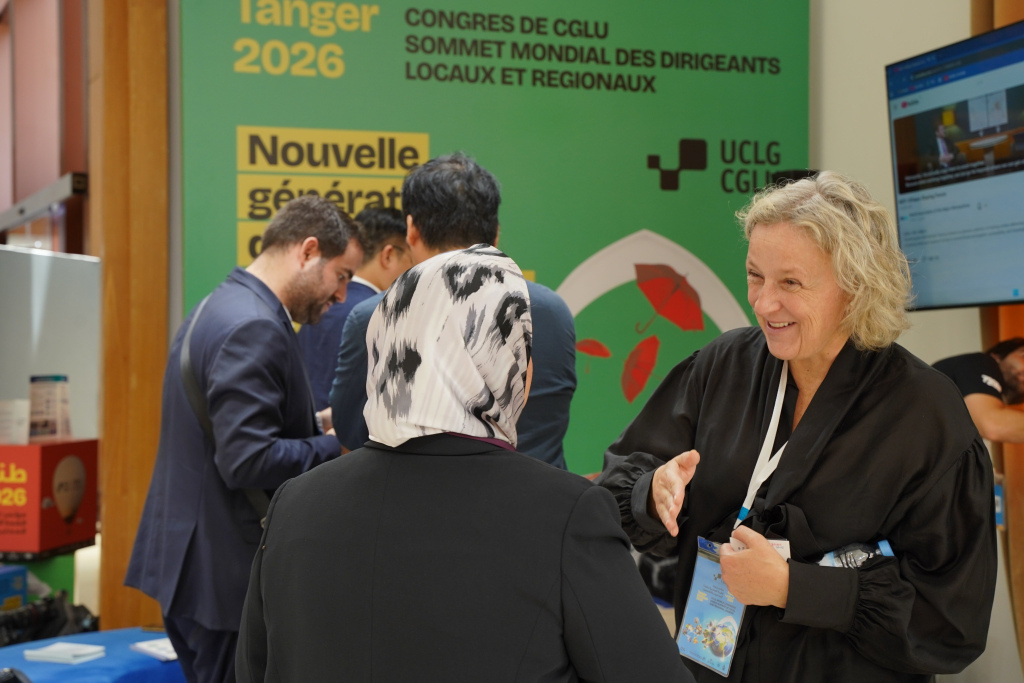
In 2026, MITI activities will include hybrid and online programmes led by its training centres in Seoul, Cairo and Mashhad, covering smart cities, climate response, urban mobility, water resilience and creative metropolitan development. Beyond professional training, MITI seeks to make learning a form of city-to-city diplomacy, helping metropolitan governments exchange practical solutions and build long-term cooperation around shared urban challenges.
More information: https://www.metropolis.org/training/metropolis-international-traininginstitute-miti/