

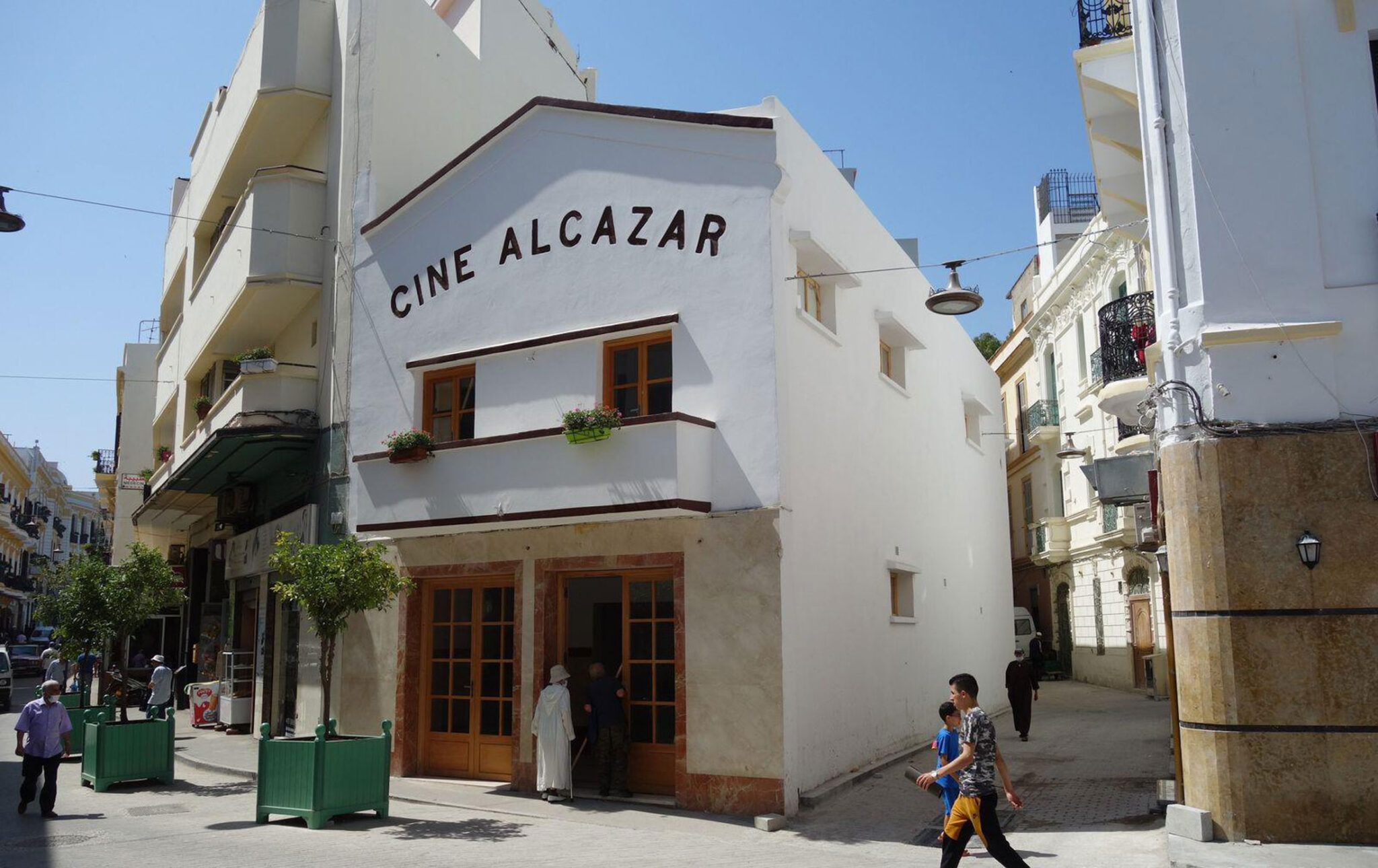
Few cities have cultivated such a close relationship with cinema as Tangier. For decades, its streets, cafés and landscapes have attracted filmmakers, writers and artists drawn by the city’s position between Africa and Europe and by its unique cultural atmosphere. From international productions to independent cinema, Tangier has long been both a setting and a protagonist.
That tradition continues today through spaces such as Ciné Alcazar, one of the city’s historic cinemas. As part of Photo Tanger, the cinema is launching both the Cinéma Tangérois cycle and the Thursdays of Spanish Cinema, creating a space for exchange between Mediterranean cinemas while reflecting on Tangier as a cinematic territory.
On 25 June, Congress delegates are in for a treat. At Cine Alcazar, there is a showing of the 1953 Spanish satirical comedy film, ¡Bienvenido, Mister Marshall! , the first film in a Spanish cinema cycle organised in partnership with the Instituto Cervantes de Tanger. The film follows the preparations of a small Castilian village awaiting the arrival of American delegates, convinced that an elaborate display of “Spanishness” will secure benefits under the Marshall Plan.
Directed by Luis García Berlanga, the absurdist comedy is considered one of the masterpieces of Spanish cinema. It playfully explores the stereotypes that Spain and the United States held about each other’s culture while also criticising 1950s Francoist Spain. Berlanga delivers a sharp and humorous reflection on stereotypes, political expectations and post-war Spain.
The film was entered into the 1953 Cannes Film Festival, where it received a Special Mention, and proved to be immensely popular in Spain. In 1993, film critic Stephen Holden observed that “although more than 40 years old, this funny compassionate little fable has an ebullience and freshness that transcend its historical context.”
From 25 June, Ciné Alcazar will present Spanish films in their original version every Thursday, with screenings followed, whenever possible, by meetings and debates with directors, critics or cinema specialists.