

In case you missed it
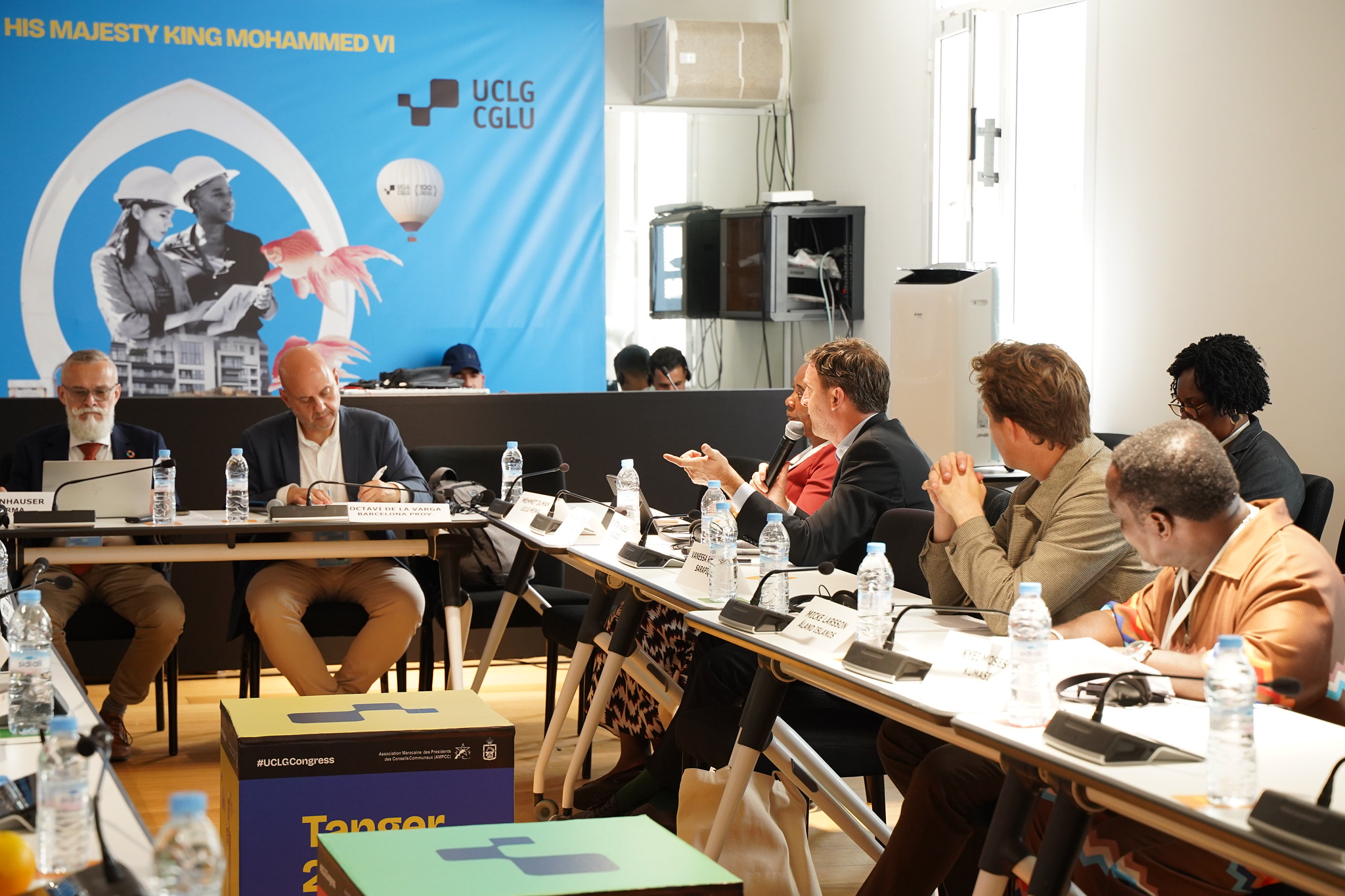
There were three roundtables on Wednesday, nearly at the same time, making it a hard choice for the participants. All of them discussed and presented examples of how strategically the municipal movement has been advancing since the adoption of the 2030 Agenda and its SDGs, the Paris Agreement and the New Urban Agenda.
Localize
Convened by the Diputació de Barcelona and UCLG, the roundtable Localizing Means Transforming reflected on how the Sustainable Development Goals have reshaped planning, public policy and governance in territories around the world. Localization is not only a technical exercise, but a political process that has strengthened the role of local and regional governments in defining development priorities and responding to the realities of their communities.
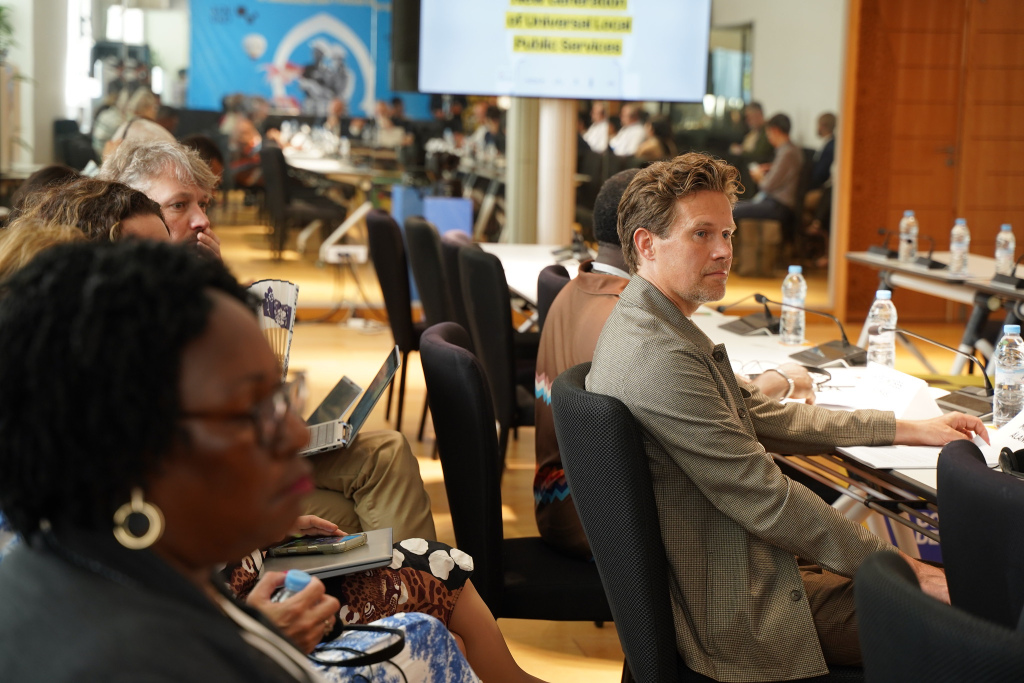
Voluntary Local Reviews (VLRs) and Voluntary Subnational Reviews (VSRs) were among the tools highlighted. By collecting local data and documenting territorial experiences, they have improved planning, strengthened accountability and allowed cities and regions to demonstrate how global commitments are translated into concrete action.
Finance
The roundtable From Advocacy to Transformation & Delivery, organized by UCLG and the Global Fund for Cities Development (FMDV), argued that local and regional governments are now expected to deliver housing, care, climate action and universal public services, yet they continue to operate within financial systems that were never designed for those responsibilities.
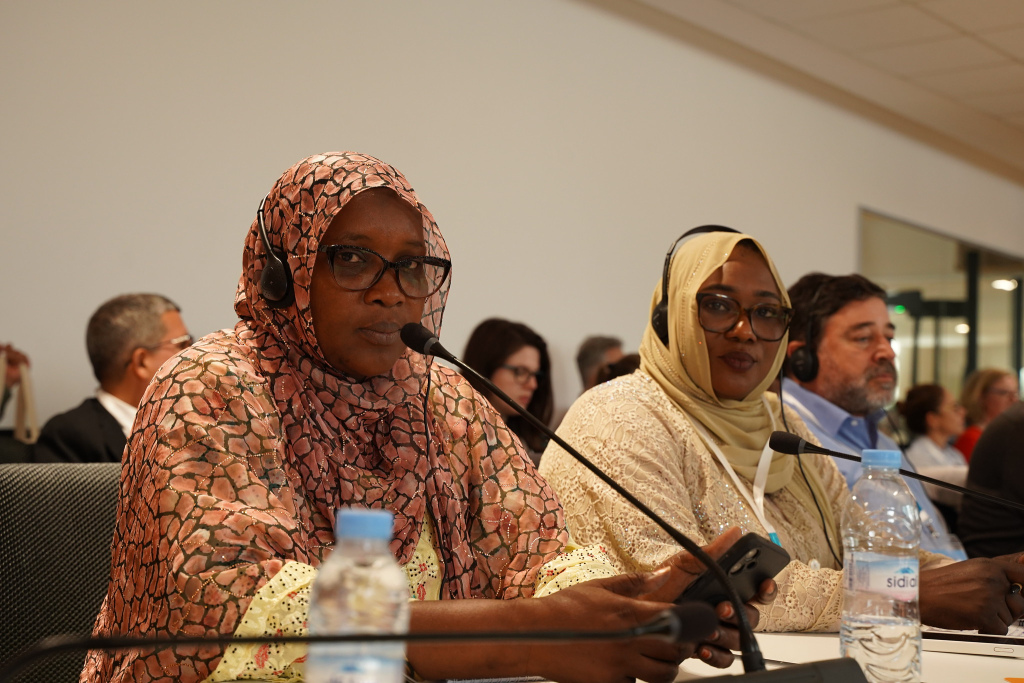
Expanding access to funding is no longer enough, but a new financial architecture built around territorial realities, democratic accountability and long-term public value. The discussion explored practical solutions already emerging around the world, from development banks and technical assistance mechanisms to investment platforms, fiscal reforms and new approaches to territorial finance. If local governments are expected to deliver the next generation of public services, f inancial systems must evolve alongside them.
Transform
Convened by UCLG, with ICLEI and FMDV, From Tangier to Antalya placed COP31 on the horizon and asked what local and regional governments need in order to move climate action from recognition to delivery.
Antalya will bring the climate debate back to the Mediterranean, a region already facing extreme heat, water stress, coastal vulnerability, wildfires, migration pressures and fragile food systems.
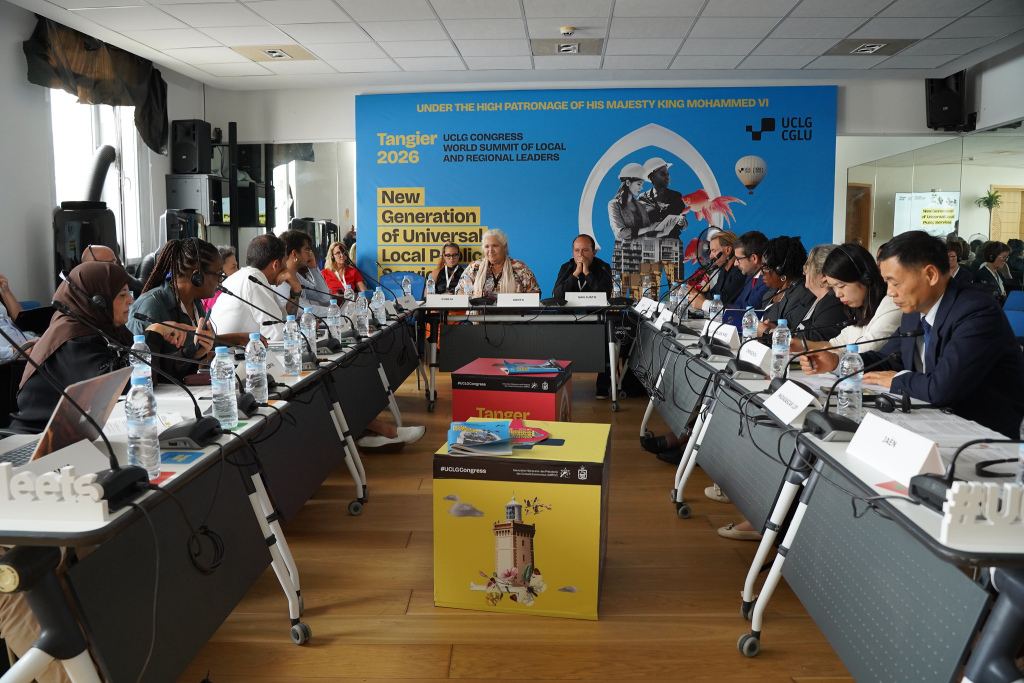
Climate action is not a separate environmental file, but about housing, infrastructure, care, public services, social protection, cultural memory and the ability of territories to recover from loss and damage.
The discussion pointed to three conditions for the road ahead: stronger multilevel governance, finance that reaches territories, and justice-based approaches that protect the communities most exposed to climate impacts.