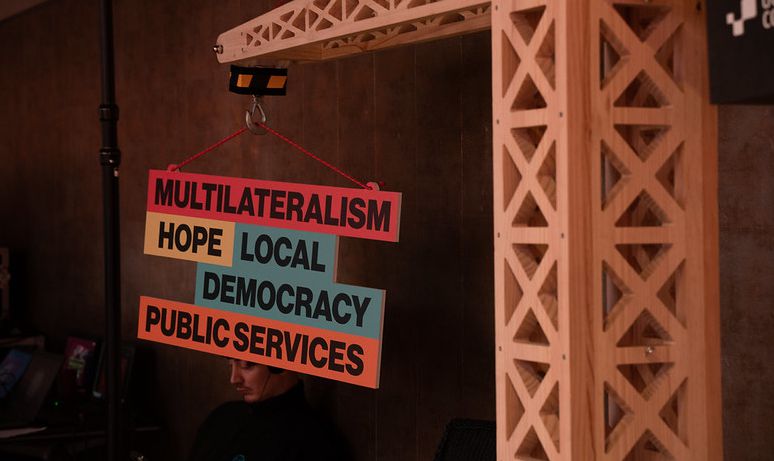
Since 21 April 2026, the municipal movement has been moving through the 100 Days of Local Multilateralism: a political cycle designed to connect key global moments and sharpen the collective voice of local and regional governments.
The process will conclude on 30 July 2026. Between those two dates sit some of the most important international debates of the year: the World Urban Forum, the UCLG World Congress and World Summit of Local and Regional Leaders, the High-Level Political Forum and the review of SDG 11 on sustainable cities and communities, as well as the ten-year review of the implementation of the New Urban Agenda.
At first glance, it may look like a sequence of events. But the point is not the calendar itself. It is what local and regional governments do with it.
The 100 Days process tries to change the order of the conversation. Instead of arriving at each global forum with separate messages, the municipal movement is seeking to build continuity between debates that are too often treated apart: public services, care, housing, gender equality, climate action, migration, local finance, urban development and the post-2030 agenda.
Tangier is the political centre of that journey. By the time delegates gather in Morocco, many of these conversations will already have been underway for months.
The Congress will therefore do more than host sessions and adopt decisions. It will bring different strands of the 100 Days together and help define what the municipal movement wants to carry into the global conversations that follow.
The 100 Days should not be read as a countdown, but rather as a relay: each milestone carries something forward, and each gathering tests whether local and regional governments can move from visibility to influence.
The 100 Days of Local Multilateralism